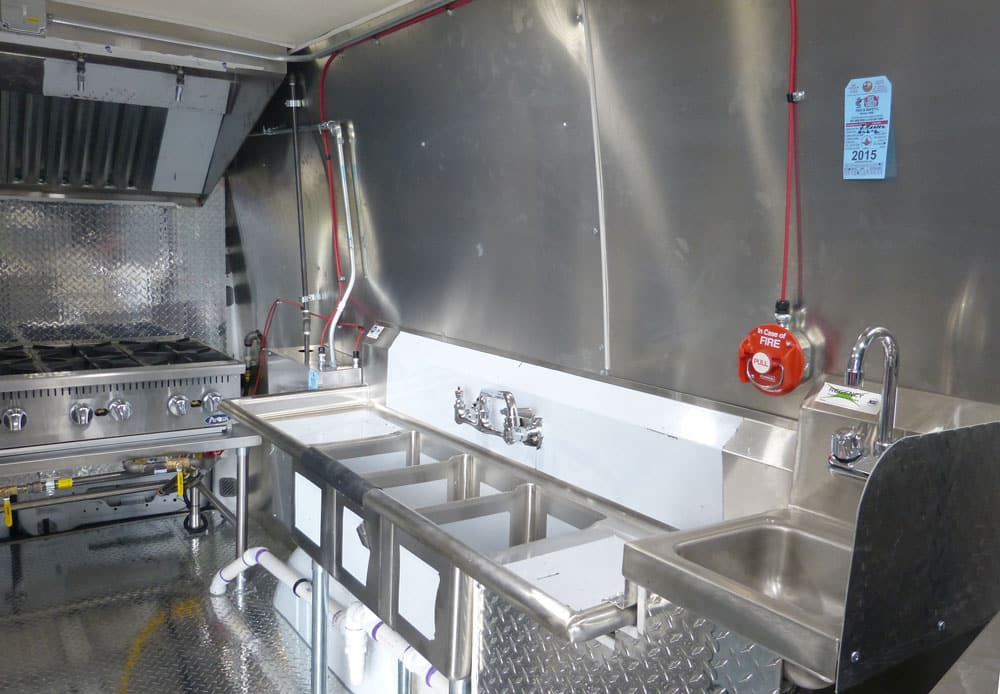
On October 5th, a food truck caught on fire off of I-90 near Hoffman Estates, IL. Nearby traffic lanes were closed for more than an hour as first responders attended to the engulfed vehicle. Food trucks are at an increased risk of fires due to their confined space and flammable cooking fuel. Additionally, malfunctioning electrical systems, buildup of grease, and …
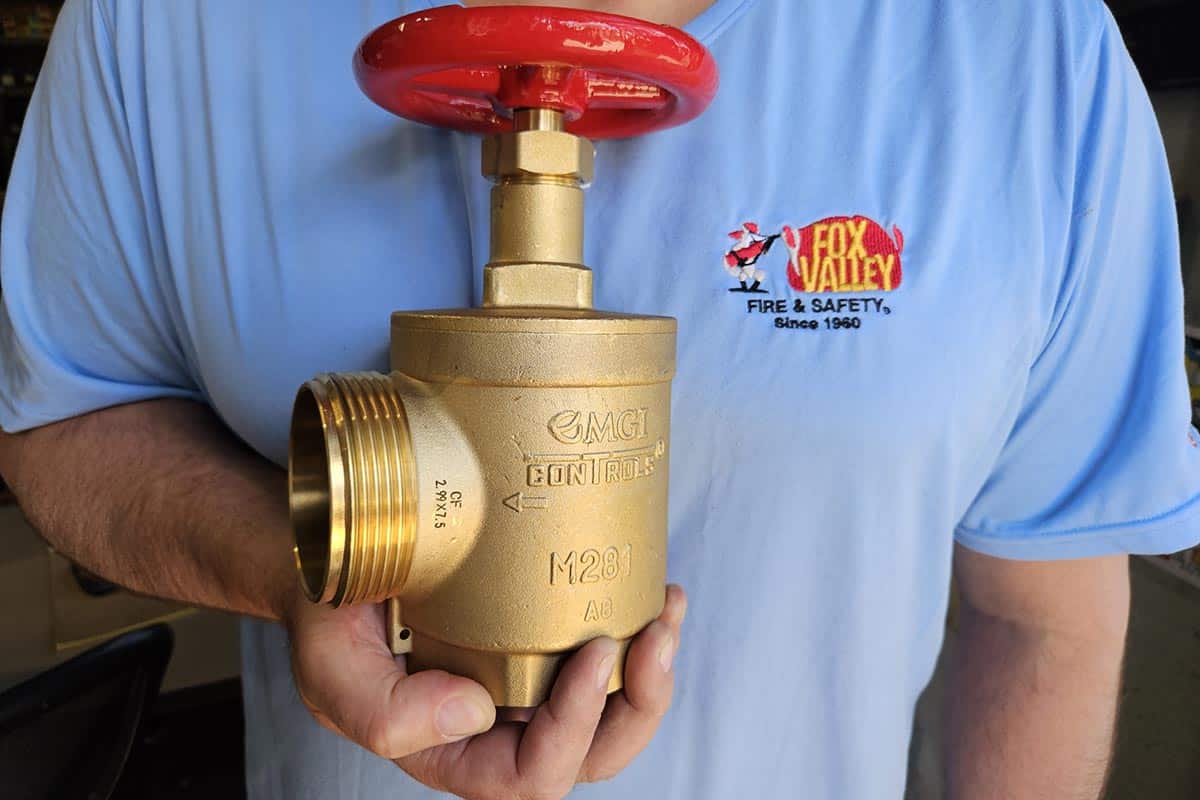
Chicago Standpipe Hose Valve Connections Must Have Chicago Male Threads
Recently, the Chicago Fire Department has identified an issue with 2 ½” standpipe hose valves being replaced with National Standard Threads (NST) rather than the required Chicago Male Threads used throughout the city. Why Do Hose Valve Connections Matter? Without the proper hose valve being used, the Chicago Fire Department can’t connect its equipment to the standpipe during an emergency. …
Fall Fire Safety – Top 3 Fire Hazards
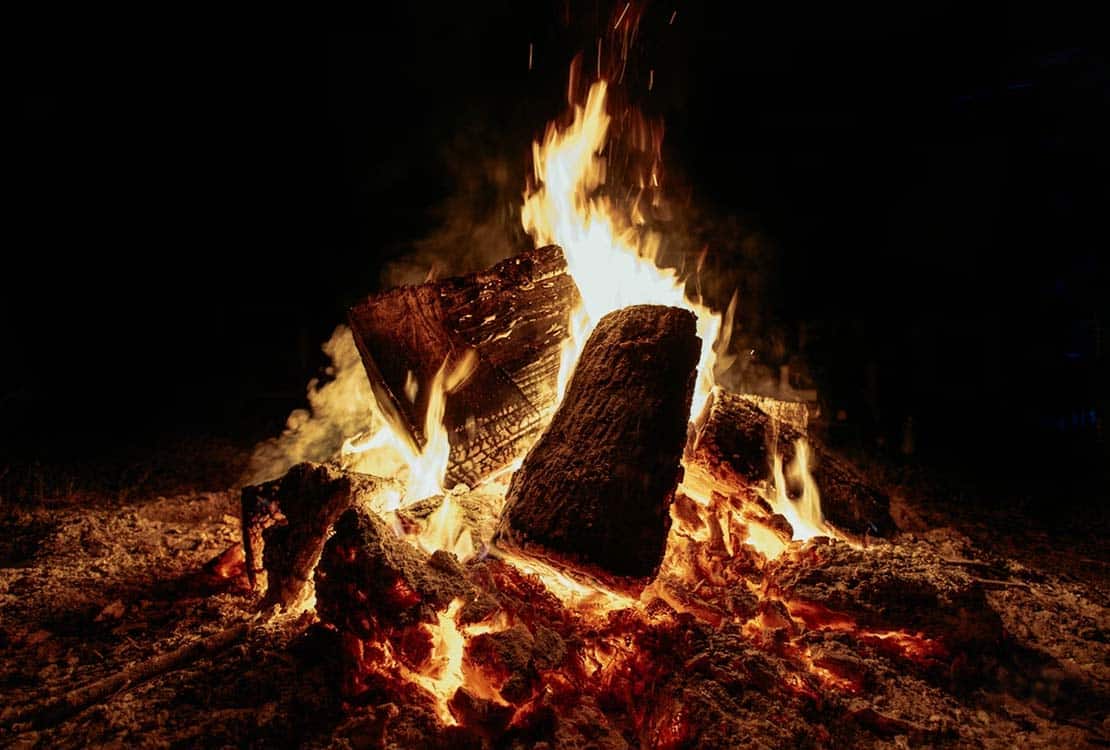
It’s the Fall season, and that means festive fun, cooler weather, and vibrant colors. Even though there is so much to look forward to in this season, we can’t afford to overlook certain fire hazards that pose a threat to one’s safety. Here are the top fire hazards to avoid this Fall. Burning Leaves When you think of Fall, one …
Lithium-Ion Battery Fire Hazards and 5 Essentials to Keep You Safe
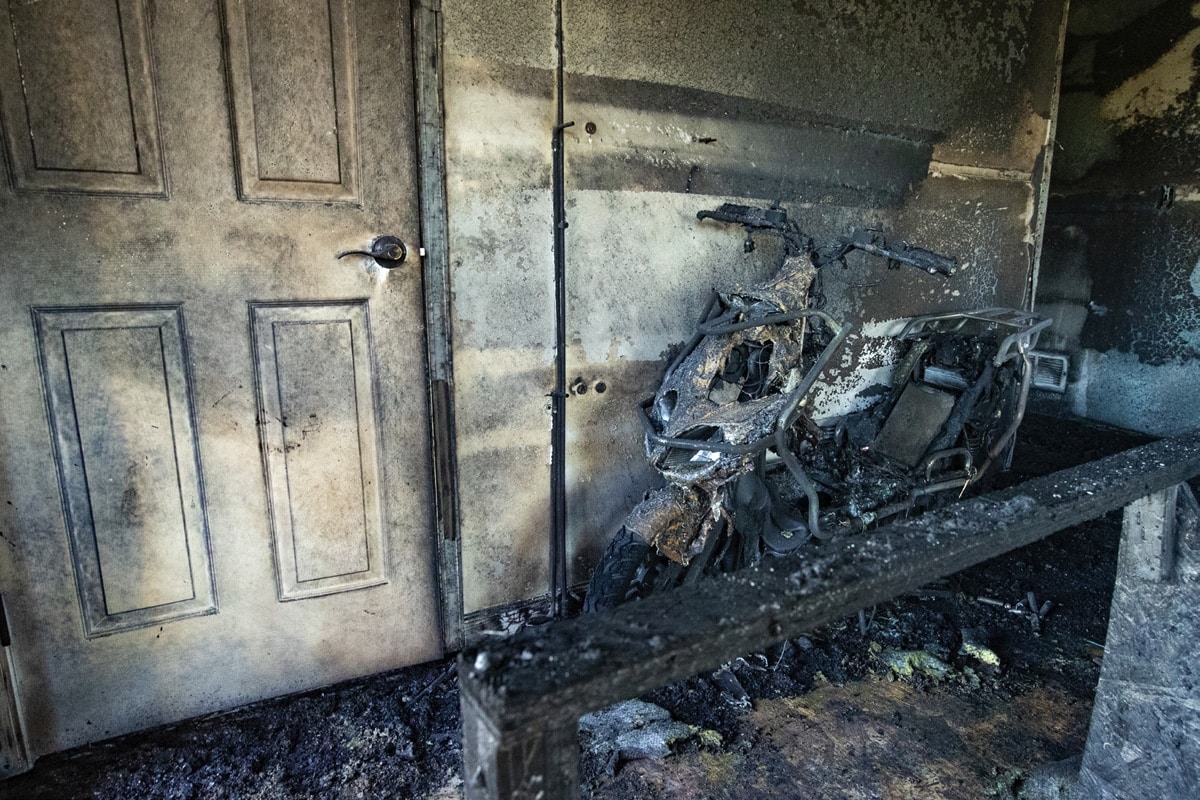
We provide code required fire safety protection for commercial buildings and their occupants throughout Chicagoland. The type of building, how it is used and what municipality it is located in determines the fire protection equipment and fire systems required by local, state, and national fire code. Specific code requirements of a multi-use high-rise in Chicago are different than a restaurant …
Preventing Carbon Monoxide Poisoning After an Emergency
Carbon monoxide (CO) is an odorless, colorless gas that can cause sudden illness and death if inhaled. When power outages occur during emergencies such as hurricanes or winter storms, the use of alternative sources of fuel or electricity for heating, cooling, or cooking can cause CO to build up in a home, garage, or camper and to poison the people …
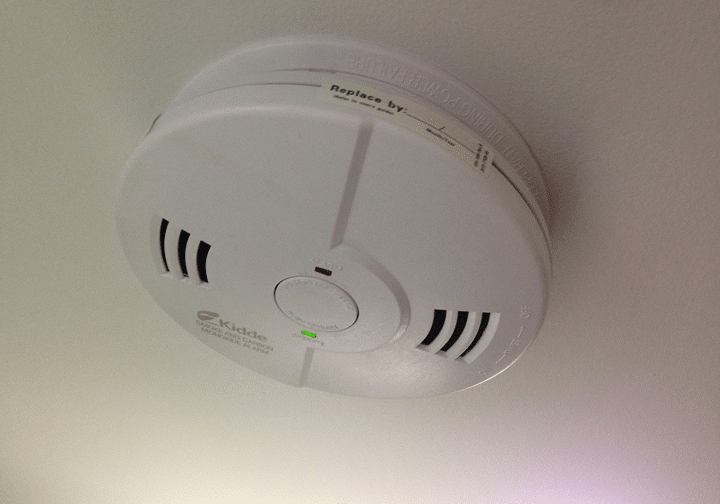
Basics to Know About Carbon Monoxide Detectors
One of the most dangerous threats to personal safety in the home or workplace is that posed by a buildup of carbon monoxide (CO) gas. This colorless, odorless, tasteless toxic gas is produced by incomplete combustion in fuel-burning devices such as automobiles, gas furnaces, and portable generators. When it is allowed to accumulate indoors, it can cause serious injuries and …