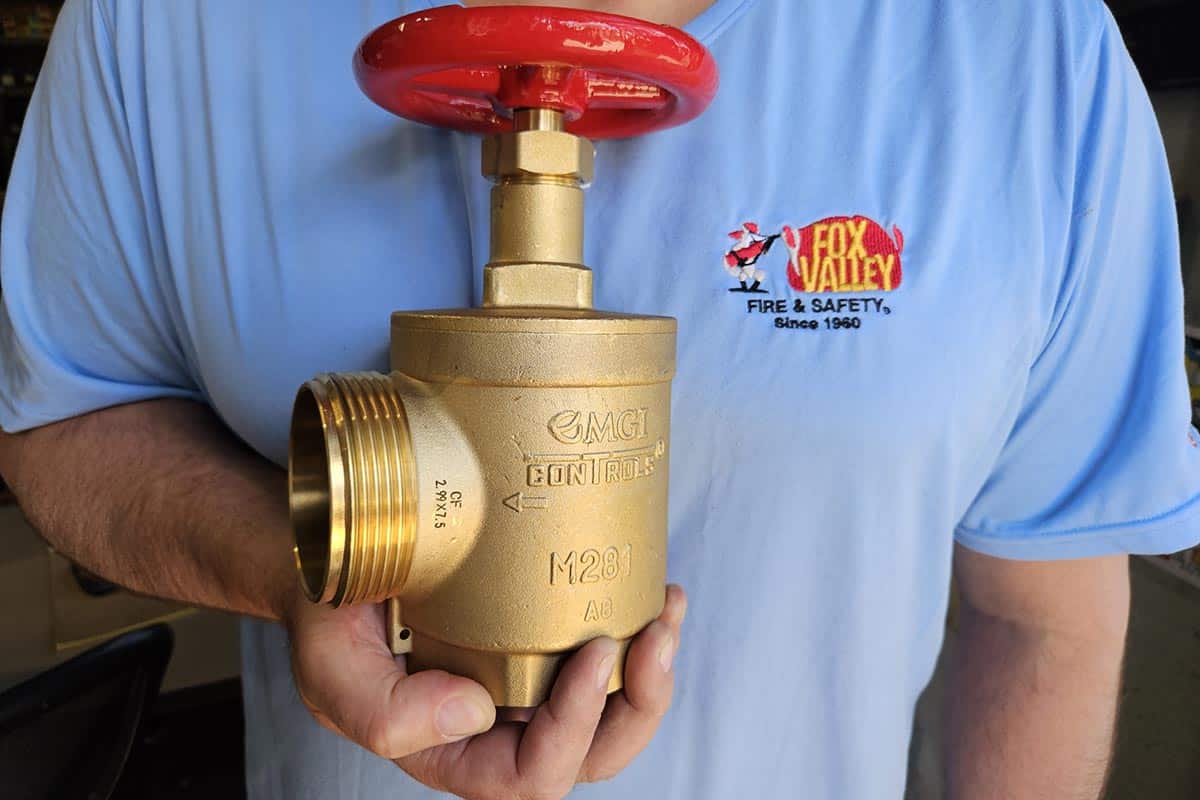
Standpipe Hose Valve Chicago Male Threads

Chicago Standpipe Hose Valve Connections Must Have Chicago Male Threads

Recently, the Chicago Fire Department has identified an issue with 2 ½” standpipe hose valves being replaced with National Standard Threads (NST) rather than the required Chicago Male Threads used throughout the city. Why Do Hose Valve Connections Matter? Without the proper hose valve being used, the Chicago Fire Department can’t connect its equipment to the standpipe during an emergency. …
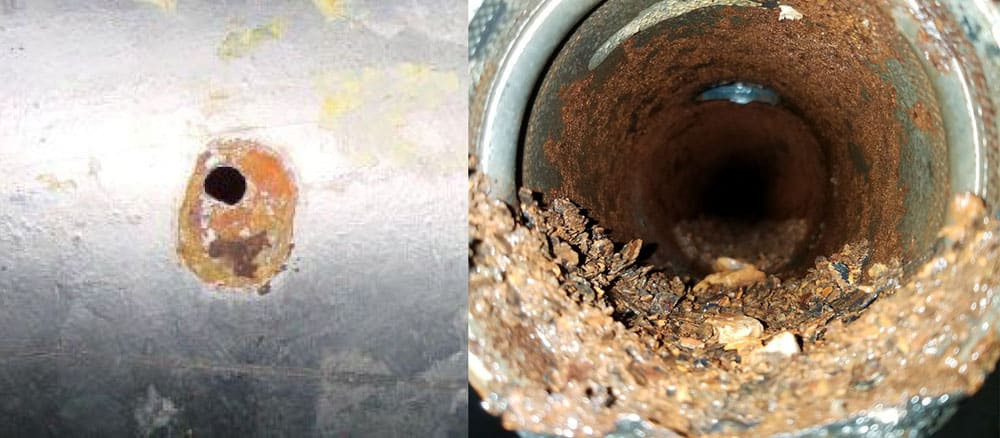
Pinhole Leak & Corrosion in Fire Sprinkler Pipe

What causes pinhole leaks in fire sprinkler systems?

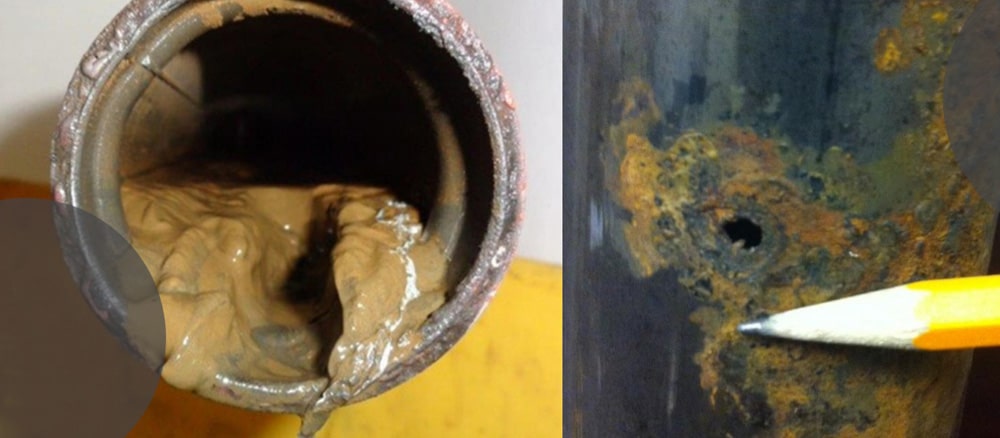
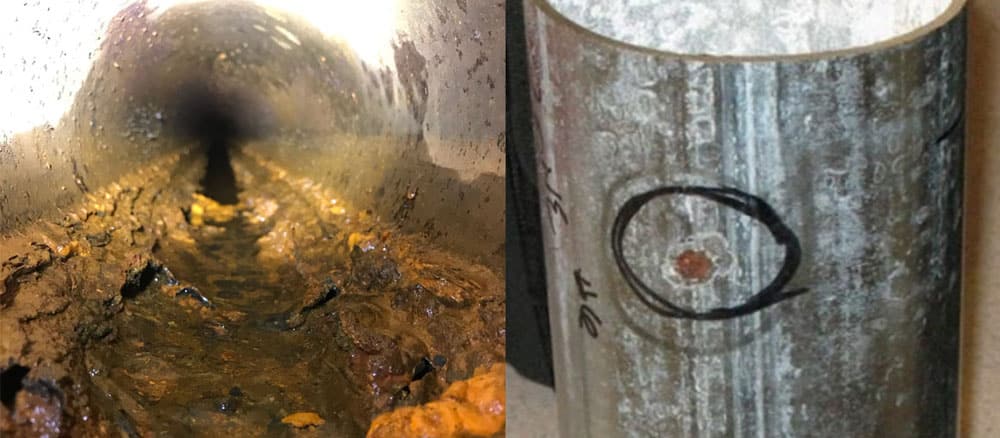
Fire Sprinkler Pinhole Leaks You may think only wet sprinkler systems, ones with water filled throughout the entire fire sprinkler system, can be susceptible to interior corrosion from the water supply. In fact both wet and dry fire sprinkler systems can suffer corrosion from the inside out, causing pinhole leaks, sludge, clogged sprinkler heads, reduced water flow and repeating costly …

Wet Fire Sprinkler Corrosion Obstruction & Pinhole Leak

Protecting Wet Fire Sprinkler Systems from Corrosion

Wet Fire Sprinklers – Protection from Corrosion Wet fire sprinkler systems are filled with water under pressure throughout the system that remains stagnant until one or more activation points occur. Upon activation pressurized water is expelled through the activated fire sprinkler head(s). Internal corrosion is a growing and costly problem for these systems. As a rule, air migrates through wet …

Dry Sprinkler Corrosion Pinhole Leak

Protecting Dry and Pre-action Fire Sprinkler Systems from Corrosion

Dry Fire Sprinklers – Protection from Corrosion Dry or pre-action (a two-step activation) fire sprinkler systems are typically filled with compressed air supplied by an air compressor, which maintains pressure throughout the system until one or more activation points occur. Upon activation water flows throughout the system to the activation point(s) and is expelled through the fire sprinkler heads. Internal …

Fire Department Connection Caps

Fire Department Connections – Why do I need a cap?

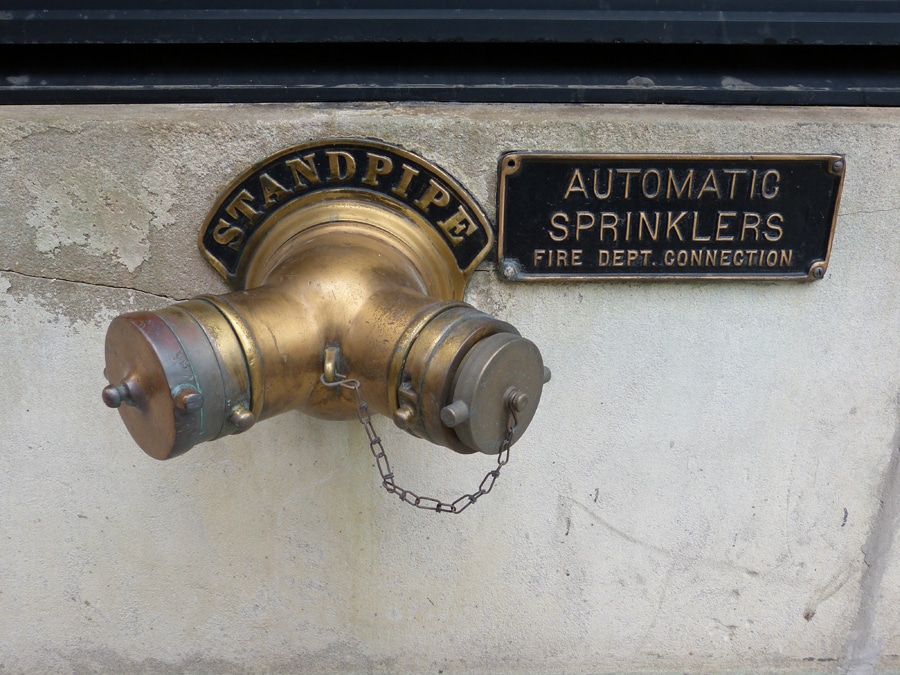
Fire Sprinkler – Fire Department Connections Fire Department Connections (FDC) provide a necessary access point for firefighters; when they arrive on scene locating the FDC is crucial as a fire can quickly deplete a sprinkler system’s pressurized water supply. The connections are commonly located outside of a building, facing the adjacent street so the fire engine can connect hoses to …

Fire Sprinkler Cover Plate in Ceiling

What are Fire Sprinkler Cover Plates?

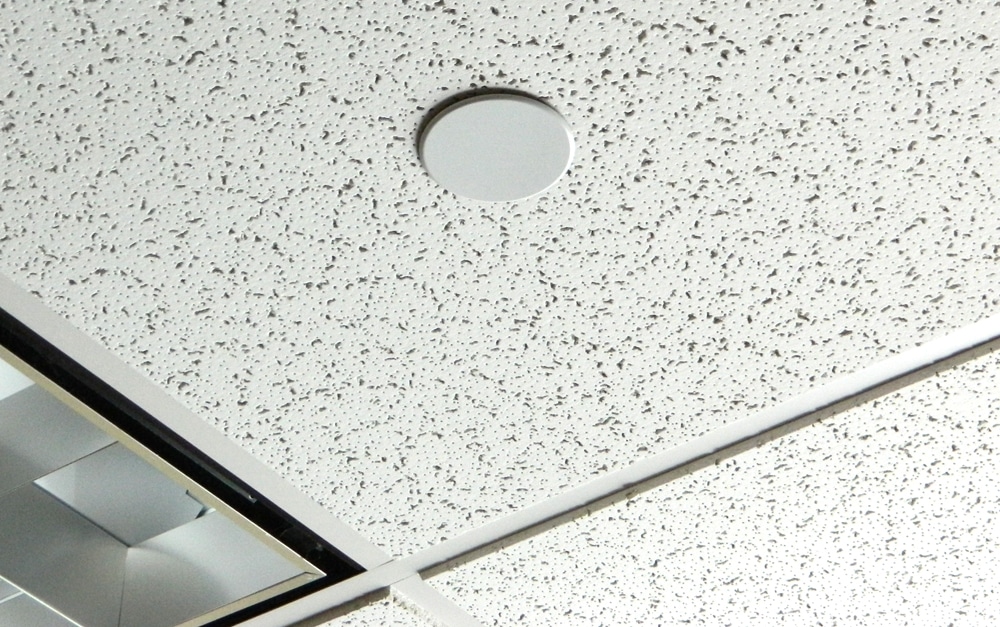
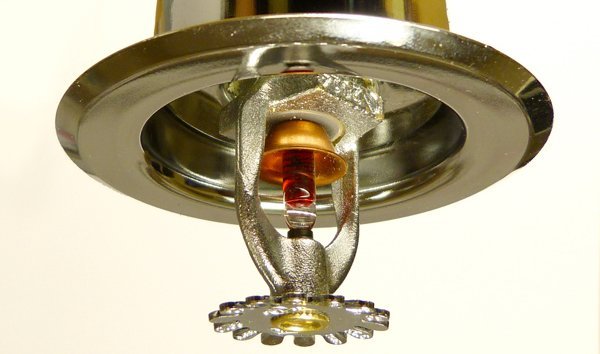
Fire Sprinkler Cover Plates Fire sprinkler cover plates, also known as covers, concealers, discs, and caps are an important and necessary part of the fire sprinkler system. Concealed fire sprinkler heads above ceilings with cover plates not only allow for a flush finished look, but more importantly they protect the sprinkler head from accidental contact and possible activation. Cover plates …

Escutcheons: What are they and why do I need them?

Here’s a discussion about escutcheons. Escutcheons, also known as trim plates, sleeves, design rings or extenders, are a very important and necessary part of any fire sprinkler system. Sprinkler heads in ceilings or walls must have proper fitting escutcheons according to NFPA 13, 25 and 101 code. Why? Sprinkler heads are commonly installed in drop ceilings by using a hole …

Fire Sprinkler System

Is Your Sprinkler System Operating Safely?

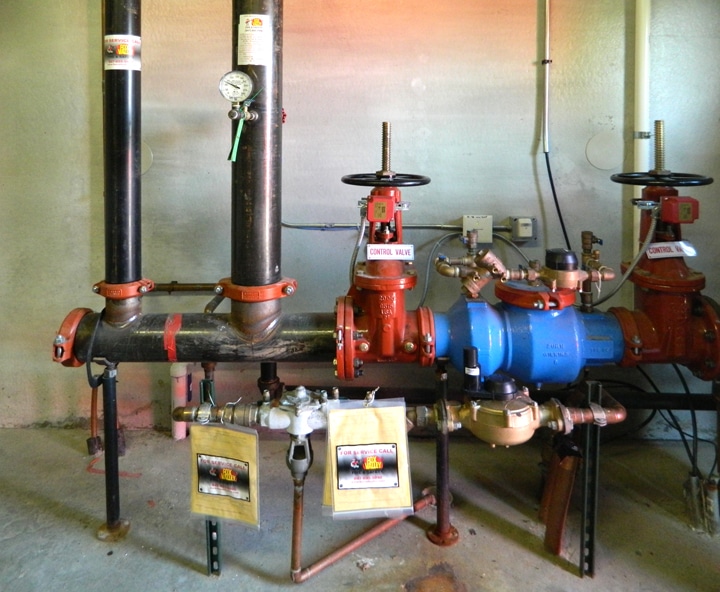
Why Backflow Testing Matters Sprinkler systems are always at the ready, with a water supply ready to douse a fire at point of activation. We often think of them in terms of fire safety, so it’s easy to forget that part of their function impacts water quality, too. Backflow Prevention Devices are an important part of keeping both fire and …

3 Minutes to Escape: Why New Construction Burns Faster Than Ever

Imagine moving into a newly constructed office or workspace. All the fixtures, furniture, and supplies are brand new. Everyone is ready to get to work and be as productive as possible. Morale and energy are both high, with your whole staff fresh and ready for work. Imagine, then, having to drop everything and get to the safety of the street …

Sprinkler Head

Never Paint Your Fire Sprinkler…And Other No-Nonsense Sprinkler Safety Measures

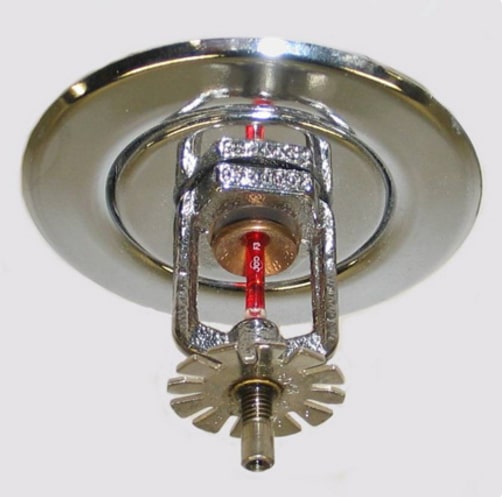
Construction, remodeling and redecorating in the workplace or home often involves painting walls and ceilings. Occasionally, this means that life safety systems such as automatic fire suppression sprinklers also get a facelift – which can actually be detrimental to the functioning of the system. The urge to paint over your fire sprinkler heads is completely understandable.  Having a metal sprinkler …